

Blacksmith Shop
Before tractors tilled the land and engines powered wagons, the Midwest ran on iron—shaped by the skilled hands of the local blacksmith. From the mid to late 1800s, blacksmith shops were vital to pioneer life, serving as both a workplace and community cornerstone.


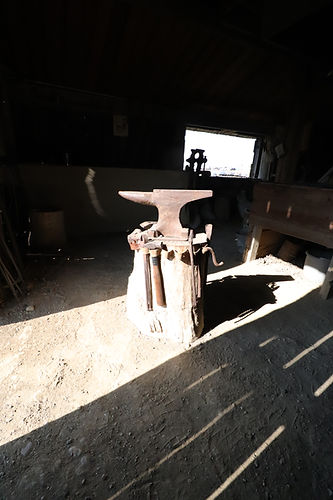
Step inside one of these humble shops and you’d find the heart of the operation: a glowing forge, the hiss of hot metal meeting water, and the rhythmic ring of a hammer on anvil. Blacksmiths heated iron until it was red-hot and pliable, then bent, twisted, and pounded it into countless essential items.
What did they make? Just about everything. Horseshoes were in constant demand, but so were wagon parts, plowshares, hinges, nails, cooking utensils, branding irons, and anything else a growing settlement needed. Whether it was farming, travel, or daily chores, life on the prairie depended on the blacksmith’s craft.
But this work came with its challenges. Long hours, sweltering heat, and the ever-present risk of burns or injury made it a tough way to earn a living. Tools and materials were heavy and hard to come by, especially in remote areas. Yet, despite the hardships, blacksmiths held a place of deep respect—they were the problem-solvers, tool-makers, and tireless hands behind the progress of the frontier.

As factories and mass production grew in the late 1800s, the role of the small-town blacksmith slowly changed. Still, their legacy remains one of skill, grit, and craftsmanship that helped forge not just metal—but the foundation of communities across the Midwest.